shopping_cart
Découvrir nos planches


Partager
# Longboard Surf : Ultimate Guide to Choosing the Best Board
Riding a wave in style, having maximum fun without worrying about the conditions... Longboarding is much more than just a type of board, it's a real surfing philosophy!
Whether you're a beginner looking for your first board or an experienced surfer in search of the perfect noseride, choosing the right longboard can transform your experience on the water. But with so many models, shapes and materials available, how do you make the right choice? In this comprehensive guide, we'll help you understand the differences between longboard types, choose the right board for your level and surfing style, and introduce you to today's best boards. 📌 *
By the end of this article, you'll know exactly which longboard is right for you, and you can get on with finding the perfect board on our e-commerce site. Ready to ride the wave?
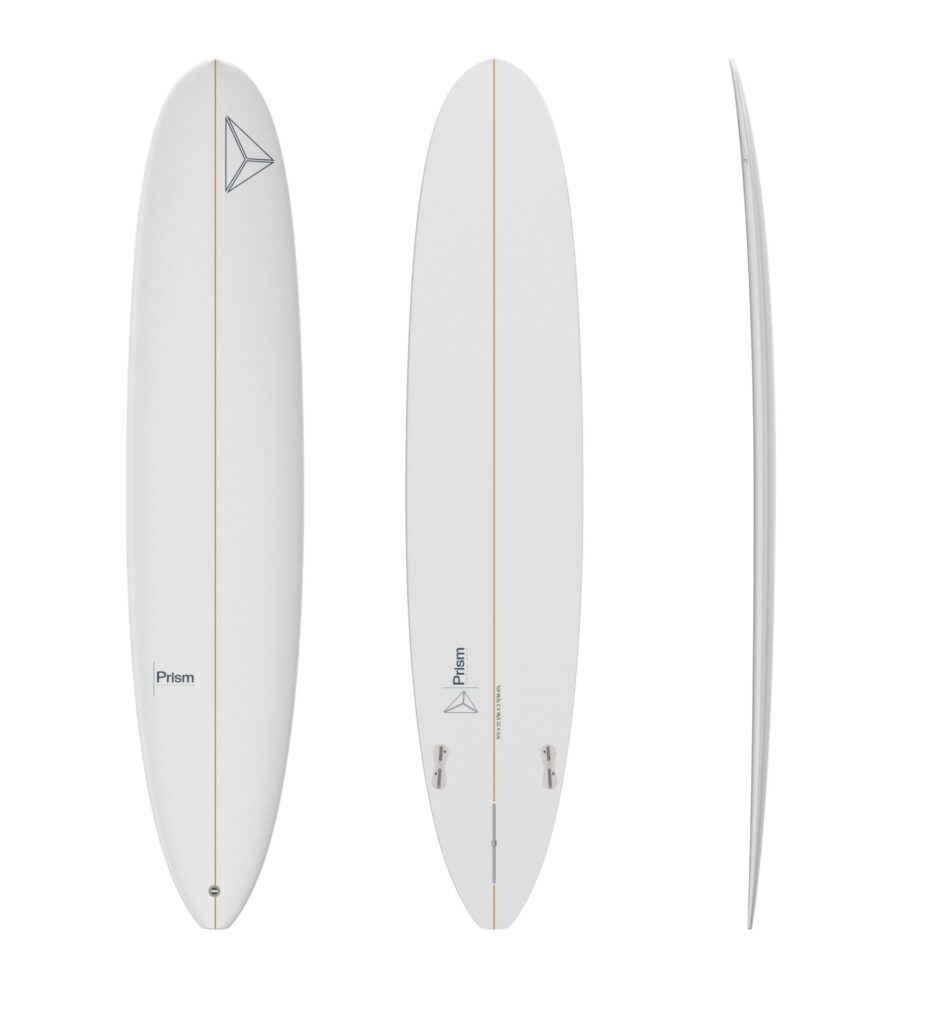
The longboard is one of the most iconic and timeless styles of surfboard. With its large size, generally between 8 and 12 feet, it stands out for its exceptional buoyancy, easy paddling and unique riding style.
Unlike the shortboard, designed for radical maneuvers and performance, the longboard is ideal for fluid, accessible gliding. It lets you catch more waves with less effort, making it the perfect choice for:
✅ Beginners, thanks to its stability and ease of paddling.
✅ Old-school style fans, adept at noseriding and cross-step.
✅ Small-wave surfers, as it captures swell energy better.
In short, the longboard is the ideal board if you're looking to maximize your riding time while enjoying more relaxed, stylish surfing. In the next section, we'll look at why choose a longboard and how it can transform your surfing! 🌊


The longboard is a versatile, accessible and stylish board, perfect for a smooth and enjoyable surfing experience. Whether you're a beginner or an experienced surfer, here's why choosing a longboard can be an excellent choice
Thanks to its large volume and length, the longboard lets you catch waves earlier and more easily than other types of board. There's less need to force the oar: you glide smoothly and enjoy every session.
If you're just starting out, a longboard guarantees better stability than a shortboard or fish. This means :
✅ Fewer falls.
✅ More time to adapt to the ocean's movements.
✅ Faster progress.
Even experienced surfers appreciate this stability, especially when working on technical tricks such as cross-step and noseriding.
Longboarding is above all a state of mind! Unlike shortboards, which are designed for fast, aggressive maneuvers, the longboard favors fluidity and elegance. Perfect for :
While shortboards require powerful waves, the longboard works perfectly even in small conditions. A major advantage if you often surf on spots with moderate swells.
Whether you're a recreational surfer or a passionate rider, a longboard can accompany you as you progress. It's the perfect board for learning, but also for perfecting your style and technique.
In short, the longboard is an essential board for making the most of the waves, progressing rapidly and adopting a fluid, stylish surfing style.
➡️ Now that you know all its advantages, let's see how to choose the right longboard for your level and surfing style! 🏄♂️
Choosing a longboard isn't just about size. Several criteria come into play: your level, your surfing style and the wave conditions you ride most often. Here's what you need to consider to find the perfect board.
The size of a longboard is expressed in feet (') and inches ("). In general, the longer the board, the more stable and easier it is to paddle.
| Level | Recommended length |
|---|---|
| Beginner | 9'0″ - 10'0″ |
| Intermediate | 9'0″ - 9'6″ |
| Advanced | 8'6″ - 9'4″ for greater maneuverability |
If you're just starting out, aim for a 9'0″ or larger, as a bigger board offers better stability and easier wave catching.
👉 If you're looking for more maneuverability, an 8'6″ to 9'4″ will be more responsive and dynamic.
The board's shape has a direct influence on how it glides and behaves. Here are the main types of longboards:
The tail plays a key role in the longboard's manoeuvrability:
The choice of fins is decisive for glide and handling:
👉 For noseriding, prefer a thin single.
👉 For more aggressive surfing, a 2+1 or quad setup will be more suitable.
The choice of material affects the board's weight, durability and responsiveness:
The heavier you are, the bigger your board needs to be for good buoyancy. Here's a quick guide to help you choose the right board for your size:
| Surfer's weight | Recommended length |
|---|---|
| - 60 kg | 8'6″ - 9'2″ |
| 60 to 80 kg | 9'0″ - 9'6″ |
| + over 80 kg | 9'6″ - 10'0″ |
The choice of a longboard depends above all on your level, your surfing style and your expectations. If you want a relaxed, flowing ride, go for a classic nose rider with a thin single. If you're looking for more responsiveness, a performance longboard with a 2+1 setup will be an excellent choice.
A longboard is an investment, and to prolong its lifespan, it's essential to look after it properly. Here are some best practices to keep your board in top condition and ensure your surfing sessions are always at their best!
Salt water and sand can damage your board over the long term. After each session:
✅ Rinse your board with fresh water to remove salt and impurities.
✅ Dry it with a towel to prevent moisture from accumulating in any cracks.
✅ Don't let your board drag on the sand to avoid micro-scratches.
Sun and heat can degrade the resin and cause deformations on your board. Here's how to protect it:
🔹 Avoid leaving your longboard in direct sunlight for too long.
🔹 Don't lock it up in a hot car (risk of delamination).
🔹 Use a protective cover to limit exposure to UV rays and shocks.
Even the best surfers are not immune to an impact against a rock or a neighboring board. If you notice a fart (impact or crack):
✅ Don't delay in repairing it: water can seep in and damage the board's core.
✅ Use an epoxy or polyester resin suited to your type of longboard.
✅ If the damage is extensive, call in a professional shaper.
Good storage guarantees maximum longevity. Here are the best practices:
🔸 Store your board away from humidity and temperature variations.
🔸 Use a wall rack or stand to prevent it from resting directly on the floor.
🔸 If you're not surfing for several months, remove the wax to prevent it from becoming too sticky and messy.
By following these tips, you'll extend the life of your longboard and maximize your surfing sessions. Good maintenance also means more safety, more performance and more fun!
🔥 Need accessories to maintain your board? Check out our selection of covers, repair kits and wax on our store! 🔥
Now that you've chosen your longboard and are ready to hit the waves, it's time to hone your skills to become an even better surfer. Whether you're a beginner or want to perfect your style, here are the essential techniques and a few tips to help you progress quickly.
o get off to a good start on a longboard, the basic position is crucial to ensure your stability and optimize your first waves. Here are the points to remember:
🔹 Feet: Place your back foot in the center of the board, with the front of your foot slightly further forward. Make sure your feet are parallel to the line of the board.
🔹 Posture: Stay slightly bent at the knees for better flexibility and control. Avoid stiffening up.
🔹 The oar: Use a long oar to start with, with a firm but relaxed grip. Push with one arm, then pull with the other to move forward. The aim is to stay fluid.
Tip: If you have trouble keeping your balance, don't hesitate to practice on a skateboard, or use a front and back foot on the board to get used to the dynamics.
Catching a wave is undoubtedly one of the most important steps. Here's how to master it:
🔸 Positioning: Let the wave get closer before you take off. When you see the wave coming, start paddling to pick up speed.
🔸 Timing: Wait for the wave to start breaking before you stand up. Perfect timing is essential if you don't want to get swallowed up by the wave.
🔸 Pop-up: To get up, make a quick, fluid movement from lying down to standing up. Avoid rushing and always keep your gaze on the wave.
Tip: If you can't catch waves, work on your paddling technique and learn to identify the waves that are best for your level. Soft (low-power) waves are perfect for beginners.
3️⃣ The noseride : The art of classic longboarding 🏄♀️
One of the most sought-after aspects of longboarding is the noseride, where you place yourself on the nose of the board. This move requires good balance and excellent timing:
🔹 Placement on the nose: For a perfect noseride, position yourself right in front of your board, using the tip of your front foot to keep your balance.
🔹 Use the wave: The noseride isn't just about your front foot, but how you drive your board in relation to the wave. Gain momentum and let the wave carry the board.
🔹 Back to the tail: When you've covered enough distance on the nose, perform a slight weight transfer to the tail to return to the riding position.
Tip: For a good noseride, it's essential to understand the dynamics of the wave. Try to find a smooth, even section of wave to give yourself enough time to walk forward.
A good longboard is designed to make large, smooth, square turns, often called carvers. Here's how to do them properly:
🔸 Classic turns: Using your back foot, you can shift your weight to initiate a turn. Start with wide turns to gradually gain control.
🔸 Tight turns: For a tighter turn, you need to shift more of your weight backward. Lean and press down on your rail to generate the necessary curvature.
🔸 Pivot on the tail: If you want to make a very tight turn, push your back foot to "pivot" around the tail. This will allow you to change direction quickly.
Tip: The more comfortable you are with your turns, the more you'll be able to combine these moves with maneuvers like slides or trims. Work on these turns regularly on small to medium waves before trying to make big carvers.
Style is what makes the difference on the water. Here are a few tips to keep your surfing fluid and stylish:
🔹 Keep your eyes on the horizon: Your gaze should always follow the wave. This will help you stay balanced and anticipate the board's movements.
🔹 Use your arms: They can help you keep your balance, but also add fluidity to your movements.
🔹 Fluidity and relaxation: To have a good style, you need to be relaxed. Don't hesitate to adjust your position and rhythm to keep your gestures harmonious.
Longboarding is not only a question of technique, but also of passion and constant practice. By refining your position, working on your wave catching and adding elegance to your surfing, you'll quickly see progress. Remember that every session is an opportunity to improve.
Longboarding is much more than just a sport, it's a way of life that connects you to nature and the thrill of surfing. Whether you're a novice looking to catch your first wave or a seasoned surfer keen to explore new techniques, every session brings you closer to the perfect experience.
By following the tips and techniques shared in this article, you're now better equipped to progress, have fun and develop your own style. Don't forget that the key to success lies in regular practice and in accepting mistakes as stages in the learning process.
We hope you're as excited as we are about hitting the waves with your new longboard. Don't hesitate to share your experiences and progress with our community. And don't forget to check out our store for the latest surfboards and accessories, designed to meet your every need.
🔥 Ready to immerse yourself in the world of longboarding? Visit our e-commerce and take the first step towards unforgettable adventures on the waves!
Découvrez nos planches de surf, combinaisons néoprène et accessoires — conçus pour tous les niveaux, à des prix justes.
Voir le surfshop Nos combinaisons